
"Oxford coffeehouse"
350 article(s) found

Mixed aroma of figs and honey treated with Lotus SK H2 L95Solkiln honey
The origin of the name: the development of Lotus SK flavor is modelled on the unstained lotus, a perennial aquatic plant that is sometimes mistaken for water lilies. Although the rose summer processed by the 90 + Solkiln method dries the fresh fruit directly, which is similar to the traditional sun drying method, the coffee beans do not look much different from the washing method. The Solkiln method can be refined by artificially creating a method

Lotus (Lotus) SK H 2L95 90 + Solkiln method for processing Ethiopian water wash or day
The origin of the name: the development of Lotus SK flavor is modelled on the unstained lotus, a perennial aquatic plant that is sometimes mistaken for water lilies. Although the rose summer processed by the 90 + Solkiln method dries the fresh fruit directly, which is similar to the traditional sun drying method, the coffee beans do not look much different from the washing method. The Solkiln method can be refined by artificially creating a method

Legend of the shepherd's discovery of coffee
There are many legends about the discovery of coffee, one of which is according to Rothschild, a Roman linguist. Records of Neroy (1613-1707): around the sixth century, when Kardai, an Arab shepherd, was herding sheep to the Isobian prairie for grazing, he was very excited and excited to see each goat. He felt very strange. After careful observation, it was found that these sheep were

American media: research says white cups make coffee taste more bitter
Us media say the secret to a good cup of coffee in the morning may be to choose the right color. According to a recent study conducted in Australia, the color of coffee cups may change the taste of coffee, according to the Washington Post website on December 9. This study investigated the effects of white, blue and transparent glass on taste differences in three different colors of coffee cups. Research

Introduction to the degree of grinding of Ethiopian coffee varieties by describing the origin of coffee flavor
Introduction to the Origin of Coffee in Ethiopia in 1723, a Frenchman Gabriel Mathieu de Klee (Gabrie Mathieu De clieu) brought coffee saplings to Martinique and began coffee cultivation in Latin America. In 1727, the first plantation in South America, Pala, Brazil, was established. And then cultivated near Rio de Janeiro. In 1730, the British introduced coffee to Jamaica.

Coffee Common sense: the spread of Coffee
People think that Africa is the hometown of coffee. But coffee actually originated in Ethiopia and spread around the world through the Yemeni port of Mocha.
World Coffee-2
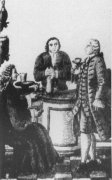
The first European description of coffee in 1573 was through German doctors staying in Syria. In the second half of the 16th century, the European people who traveled on the east coast of the land gradually spread. The British East India Company was established in 1660 and the East India Company was established in the Netherlands in 1602. The East India Company refers to the trade between Asia and Europe, South Asia and the East in the 17th and 19th centuries.
Coffee spread-2
The first European description of coffee in 1573 was through German doctors staying in Syria. In the second half of the 16th century, the European people who traveled on the east coast of the land gradually spread. The British East India Company was established in 1660 and the East India Company was established in the Netherlands in 1602. The East India Company refers to the trade between Asia and Europe, South Asia and the East in the 17th and 19th centuries.

The basic knowledge of Fine Coffee Culture and the History of Coffee
African shepherds discovered strange coffee fruits on the plateau in about 500 AD. Since then, humans have known coffee. Coffee was planted in Arabian Peninsula and used as medicinal and religious feed. Coffee was introduced into Europe from Venice, Italy, in 1554. The colorful European coffee culture began to be born in 1616. Coffee was spread to the Netherlands from the port of Mocha.
Do you know the origin of coffee?
Around the sixth century AD, legend has it that Kaldi, a shepherd on the Ethiopian highlands of Africa, discovered on many occasions that his flock would involuntarily get excited and even make a crazy noise every time they ate the fruit of a wild shrub.
There are legends about the origin of coffee. There are several historical stories about coffee. Understand the origin of coffee.
There are several legends about the origin of coffee, among which the more familiar is the story of the shepherd: around 600 AD, a shepherd found that his sheep would hiss excitedly every night. In fear, he turned to the priest in the temple for help. After carefully observing the sheep for a few days, the priest found that the sheep had eaten an unknown fruit, and the priest ate it himself.

The Development of Coffee the Cultural and Historical Development of Fine Coffee
African shepherds discovered strange coffee fruits on the plateau in about 500 AD. Since then, humans have known coffee. Coffee was planted in Arabian Peninsula and used as medicinal and religious feed in 1554. Coffee was introduced into Europe from Venice, Italy. The colorful European coffee culture began to be born in 1616. Coffee was spread to the Netherlands from the port of Mocha.

The history of coffee development human beings have known coffee ever since.
African shepherds discovered strange coffee fruits on the plateau in about 500 AD. Since then, humans have known coffee. Coffee was planted in Arabian Peninsula and used as medicinal and religious feed. Coffee was introduced into Europe from Venice, Italy, in 1554. The colorful European coffee culture began to be born in 1616. Coffee was spread to the Netherlands from the port of Mocha.

Teach you how to brew coffee at home to brew a cup of good quality coffee in different regions.
Rick Tingley, a coffee expert at Earl Taylor Black Tea in the UK, suggests that people in the northern hemisphere better choose Colombian coffee beans when they drink coffee in winter, as this is the season when coffee beans are ripe and harvested; then it is best to be roasted in the French Alps because the delicate aroma of coffee beans can be better preserved in low temperatures at high latitudes; it should be preserved later. Make coffee

What are the legends about the origin of coffee? which country started to produce coffee first?
According to what we have learned from textbooks today, at first the aborigines of the Ethiopian plateau of Africa tried to chew ground coffee beans to treat stomach problems. It was not until the 13th century that the aroma of roasted coffee beans gradually blew down from the vast African plateau, went on an expedition to Arabia, and quickly captivated people and became a typical drink in the Arab world. About coffee.
Do you know how the name of coffee comes from?
It'starts with Ethiopian legends in the 5 th century AD.

German Coffee Culture Melitta Bentz Coffee filter German Coffee
Speaking of the German festival, we will never miss the grand Munich Oktoberfest, while the German coffee festival is little known. On September 29th, 2006, the German Coffee Association in Hamburg initiated and established the Coffee Festival (Tag des Kaffees) and organized a design competition to select the Logo of the Coffee Festival. Teresa Habild, a 26-year-old female college student, won the championship for her simple and elegant design.

90 +Lotus Solkiln Lotus SK H2 L95 Honey Processing Method Layers
Origin of the name: Lotus SK flavor was developed to emulate the silt-free lotus, a perennial aquatic plant sometimes mistaken for water lily. The 90 + Solkiln process dries the fresh fruit directly, similar to the traditional sun method, but the coffee beans look no different from the water wash method. Solkiln is a method of creating an artificial,

Africa is the home of coffee.
Africa is considered the home of coffee. But coffee actually originated in Ethiopia and was spread all over the world through the port of Mocha in Yemen. Ethiopian coffee cultivation began in 575 AD, for those Arabs, coffee was like the silk of China at that time, belonging to the national treasure. If anyone is lucky enough to taste this refreshing aroma
Who invented the French kettle? General knowledge of boutique coffee
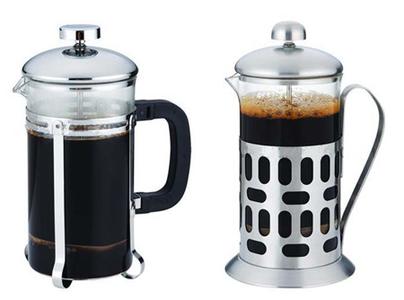
From the beginning, the French have been more enthusiastic about how to cook coffee than any other country, William Harrison Ukers wrote in his book all about Coffee, published in 1922. The first French-made coffee machine appeared around 1800, Ukers said, and 40 years later, the first coffee machine made of glass appeared. Although Ukers looks like coffee